
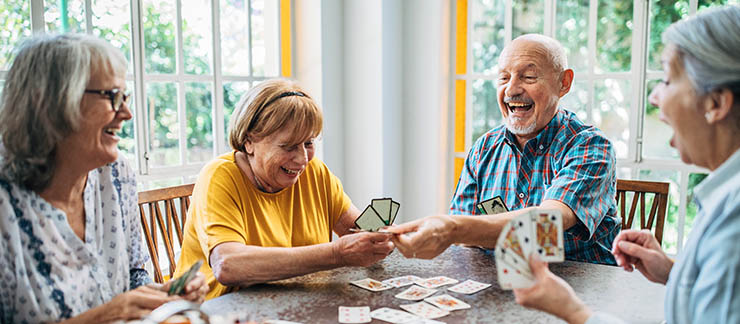
As people age, maintaining social connections and building strong relationships becomes increasingly important for overall health and well-being. Social isolation and loneliness can have severe consequences, including depression, cognitive decline, and even premature mortality. In this article, we’ll explore the importance of social connections for healthy aging, the benefits of social engagement, and strategies for building and maintaining social relationships.

The Importance of Social Connections
Social connections are essential for human health and well-being, and this doesn’t change as people age. In fact, social isolation and loneliness can have more severe consequences for older adults, including:
- Depression and Anxiety: Social isolation can contribute to depression and anxiety, which can further exacerbate social isolation.
- Cognitive Decline: Social engagement has been shown to support cognitive health and reduce the risk of dementia.
- Physical Health: Social connections can help manage chronic diseases, such as heart disease and diabetes.
- Mortality Risk: Social isolation is associated with increased mortality risk, comparable to smoking and obesity.

Benefits of Social Engagement
Engaging in social activities and building strong relationships can have numerous benefits for older adults, including:
- Improved Mental Health: Social connections can reduce stress, anxiety, and depression.
- Increased Physical Activity: Social engagement can encourage physical activity and exercise.
- Better Cognitive Function: Social interaction can support cognitive health and reduce the risk of dementia.
- Stronger Immune System: Social connections can support immune function and overall health.