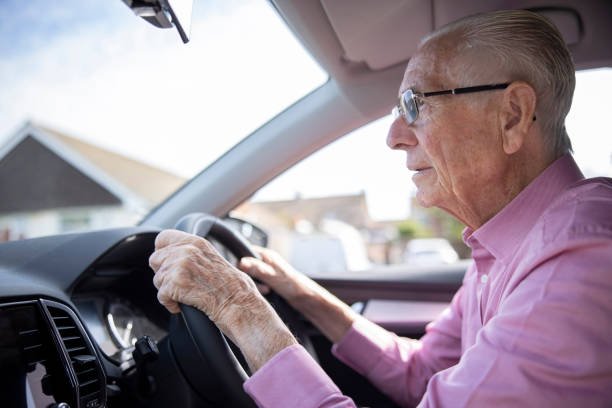
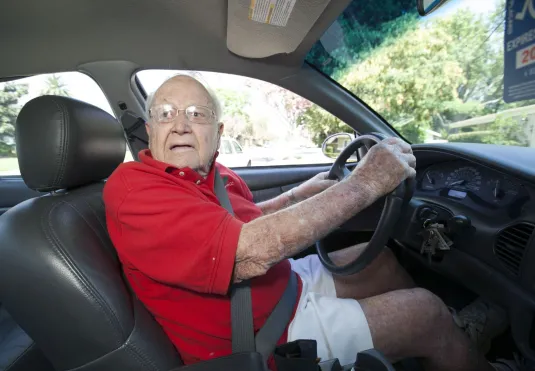
Driving can become increasingly challenging. Physical changes, cognitive decline, and medical conditions can impact reaction time, vision, and decision-making, making it difficult to drive safely. For many older adults, giving up driving is a difficult but necessary decision, impacting independence, social connections, and overall quality of life.

Why Giving Up Driving is a Common Issue
- Age-related changes: Vision, hearing, and reaction time decline with age, affecting driving ability.
- Medical conditions: Conditions like dementia, arthritis, and stroke can impact driving safety.
- Medication side effects: Certain medications can impair driving ability.
- Cognitive decline: Decreased cognitive function can affect decision-making and reaction time.
Signs It’s Time to Stop Driving
- Increased anxiety or stress: Feeling anxious or stressed while driving.
- Accidents or near-misses: Experiencing accidents or near-misses.
- Difficulty navigating: Trouble navigating familiar routes or parking.
- Decreased vision or hearing: Vision or hearing loss affecting driving ability.
- Family concerns: Family members express concerns about driving safety.
Adapting to Life Without Driving
- Explore alternative transportation: Public transportation, ride-sharing, or senior transportation services.
- Stay connected: Maintain social connections through phone, video calls, or community activities.
- Local resources: Utilize local resources, such as senior centers or volunteer driver programs.
- Plan ahead: Plan trips and outings in advance to minimize stress.
- Stay active: Engage in physical activities, hobbies, or volunteer work.
Resources for Older Adults
- Local transportation services: Public transportation, senior transportation, or ride-sharing services.
- Senior centers: Community centers offering transportation, social activities, and support.
- Volunteer driver programs: Programs providing transportation for older adults.
- Support groups: Groups for older adults transitioning to life without driving.
- Government resources: Resources and guidance from government agencies, such as the National Highway Traffic Safety Administration (NHTSA).
Tips for Family Members
- Start the conversation early: Discuss driving safety and alternatives with your loved one.
- Focus on safety: Emphasize the importance of safety and independence.
- Explore options together: Research alternative transportation options and resources.
- Offer support: Provide emotional support and assistance with transportation.
- Respect their autonomy: Respect your loved one’s autonomy and decision-making.