
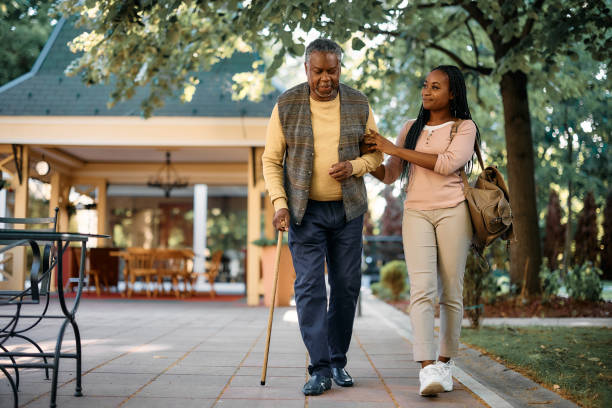
As people age, regular physical activity becomes increasingly important for maintaining health, independence, and quality of life. Walking is an ideal form of exercise for older adults, offering numerous benefits that can help mitigate age-related health issues. In this article, we’ll explore the benefits of walking for the elderly and provide tips for safe and effective walking routines.
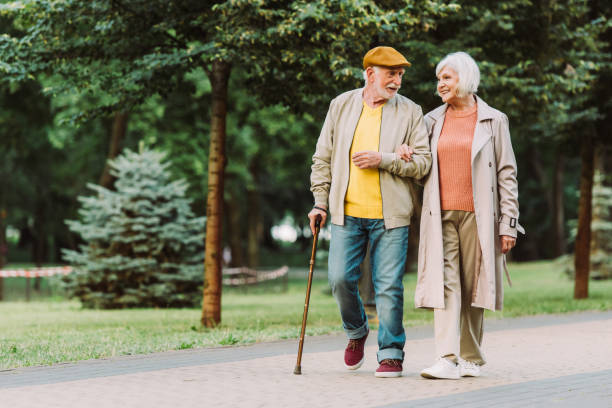
Physical Benefits of Walking for the Elderly
- Improved Cardiovascular Health: Regular walking can help lower blood pressure, reduce the risk of heart disease, and improve overall cardiovascular health.
- Increased Strength and Flexibility: Walking can help maintain muscle strength and flexibility, reducing the risk of falls and injuries.
- Better Balance and Coordination: Walking can improve balance and coordination, reducing the risk of falls and related injuries.
- Weight Management: Walking can help with weight management, reducing the risk of obesity-related health issues.
- Improved Bone Density: Weight-bearing exercise like walking can help maintain bone density, reducing the risk of osteoporosis and fractures.
Mental and Emotional Benefits of Walking for the Elderly
- Reduced Stress and Anxiety: Walking can help reduce stress and anxiety, promoting a sense of calm and well-being.
- Improved Mood: Walking releases endorphins, which can improve mood and reduce symptoms of depression.
- Cognitive Function: Walking has been shown to improve cognitive function and reduce the risk of dementia.
- Social Benefits: Walking with friends, family, or a walking group can help build social connections and reduce feelings of loneliness.
Tips for Safe and Effective Walking
- Consult a Healthcare Professional: Before starting a new exercise routine, consult with a healthcare professional to discuss any health concerns or limitations.
- Start Slow: Begin with short walks and gradually increase duration and frequency.
- Use Proper Footwear: Wear comfortable, supportive shoes with good traction.
- Stay Hydrated: Bring water and snacks as needed, especially in hot weather.
- Walk with a Buddy: Walking with a friend or family member can provide support and motivation.
Adapting Walking to Individual Needs
- Walking Aids: Use walking aids like canes or walkers if necessary.
- Accessible Routes: Choose walking routes with minimal obstacles and uneven terrain.
- Regular Breaks: Take regular breaks to rest and recover.
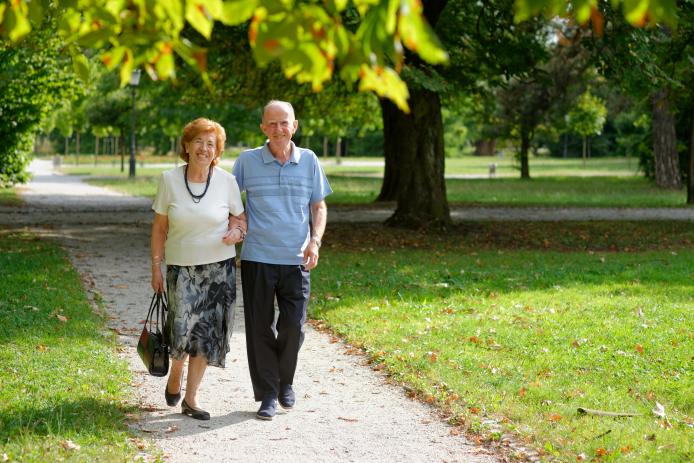
Walking is a simple yet effective way for older adults to maintain physical and mental health, independence, and quality of life. By incorporating walking into their daily routine, elderly individuals can experience numerous benefits and reduce the risk of age-related health issues.